Major trucking company Lowes Petroleum says until Governments fund safe, high-quality roads and deliver adequate rest areas the industry will be unable to meet the National Road Safety Strategy of reducing fatalities and serious injuries by 2030.
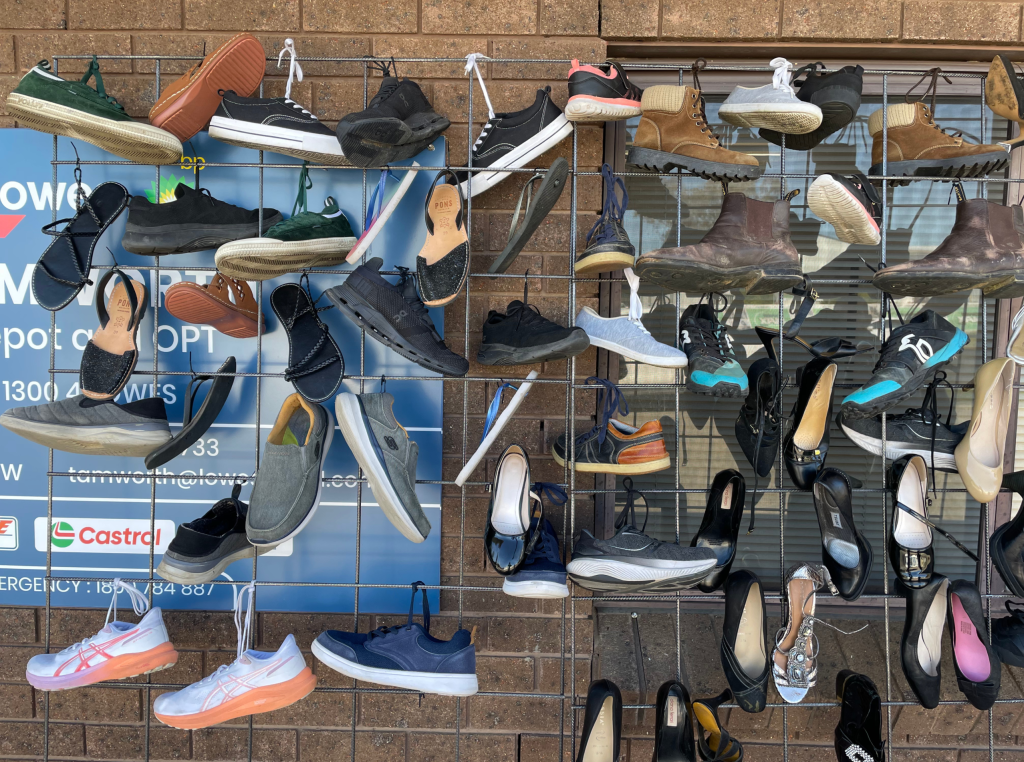
As the company throws it support behind the Australian Road Safety Foundation’s (ARSF) Rural Road Safety awareness month, and the theme ‘Step Up for Road safety, Lowes Petroleum is asking motorists to put themselves in a truck driver’s shoe.
Despite being less densely populated, regional, rural, and remote areas accounted for 820 of the 1,297 road deaths recorded in 2024, which represents nearly two in every three fatalities (63%).
During the 12 months ending March 2025, 157 people died in crashes involving heavy trucks. There were 93 deaths in crashes involving articulated trucks and 73 deaths in crashes involving heavy rigid trucks.
Research by the ARSF reveals the harrowing human factor behind driver statistics, showing that widespread complacency and misplaced confidence are continuing to cost lives on country roads.
According to the data, more than 1 in 4 drivers (27%) admit to relaxing their safety standards when outside city limits. This alarming trend is likely linked to the belief – held by nearly 1 in 3 Australians (29%) – that rural roads are safer than urban streets.
Lowes Petroleum’s General Manager of Health, Safety, Security and Environment (HSSE) Bernie Morris said most truck accidents occurred between midnight and 6am and in those peak holiday periods of Easter and Christmas.
Mr Morris called for more transparency and the sharing of information within the industry from independent safety road crash investigations to ensure lessons were not only learnt but to make active and real progress.
“The ARSF report found that almost 8 in 10 drivers (79%) say road safety messaging makes them a more responsible road user,” he said. “Signs, news coverage, and real-life trauma stories were identified as the most powerful motivators for change. The data shows that education works.
“There still needs to be education around how motorists share the road with trucks: often cutting in abruptly, lingering in blind spots, or miscalculating the time and distance needed for these heavy vehicles to come to a stop.
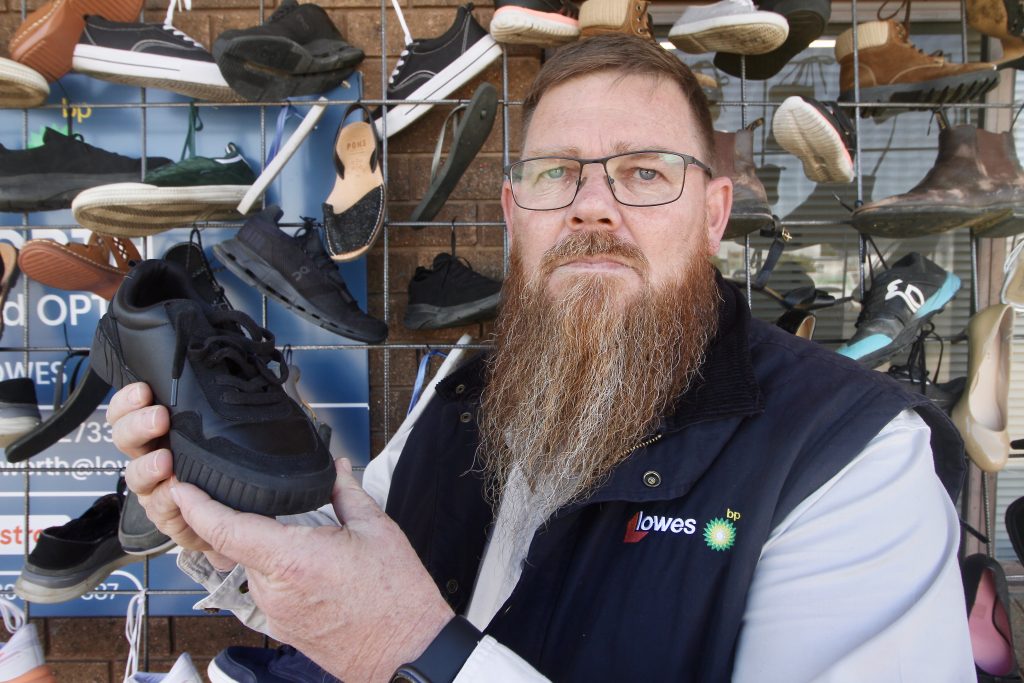
“People respond to reminders, stories, and signs. So, we are putting up signs in all our depots and service stations reminding people to think about how they drive and how it might impact someone else’s life.
“Our drivers are impacted and haunted by road deaths, even when they are not at fault. We have one driver 10 years on who still shares the pain for a family who lost three children in one accident.
“It is not an exaggeration to say almost everyone shares the pain: pain that resonates through the community. We are asking motorists to think twice before they overtake or think about what the truck is hauling before they take what could be a reckless action.
“The most impactful messages are those that put human life front and centre. While 43% of Australian drivers admit they don’t often think about the lives of others when on the road, more than half (56%) say knowing someone’s child is in the car ahead would prompt them to drive more cautiously – and we are all someone’s child.”
Rarely a day goes by when Mr Morris isn’t left gobsmacked after reviewing the deadliest of driver dash cam footage, in his HSSE role, as motorists take risks on rural roads they would not in the city. With over 200 drivers transporting millions of litres of fuel a year across hundreds of thousands of kilometres of rural roads a year the footage almost makes his heart stop.
“We review every accident and near miss – always questioning ‘did we do everything within our power to avoid an accident?’ and in one video you can see that, scarily, it can just take a few seconds for an accident to happen.
“In one of our dash cams, our driver looks down at his run screen for less than two seconds only to look up and see an out-of-control car careering towards him and he takes evasive action in a split second avoiding a collision.”
PRESS RELEASE
